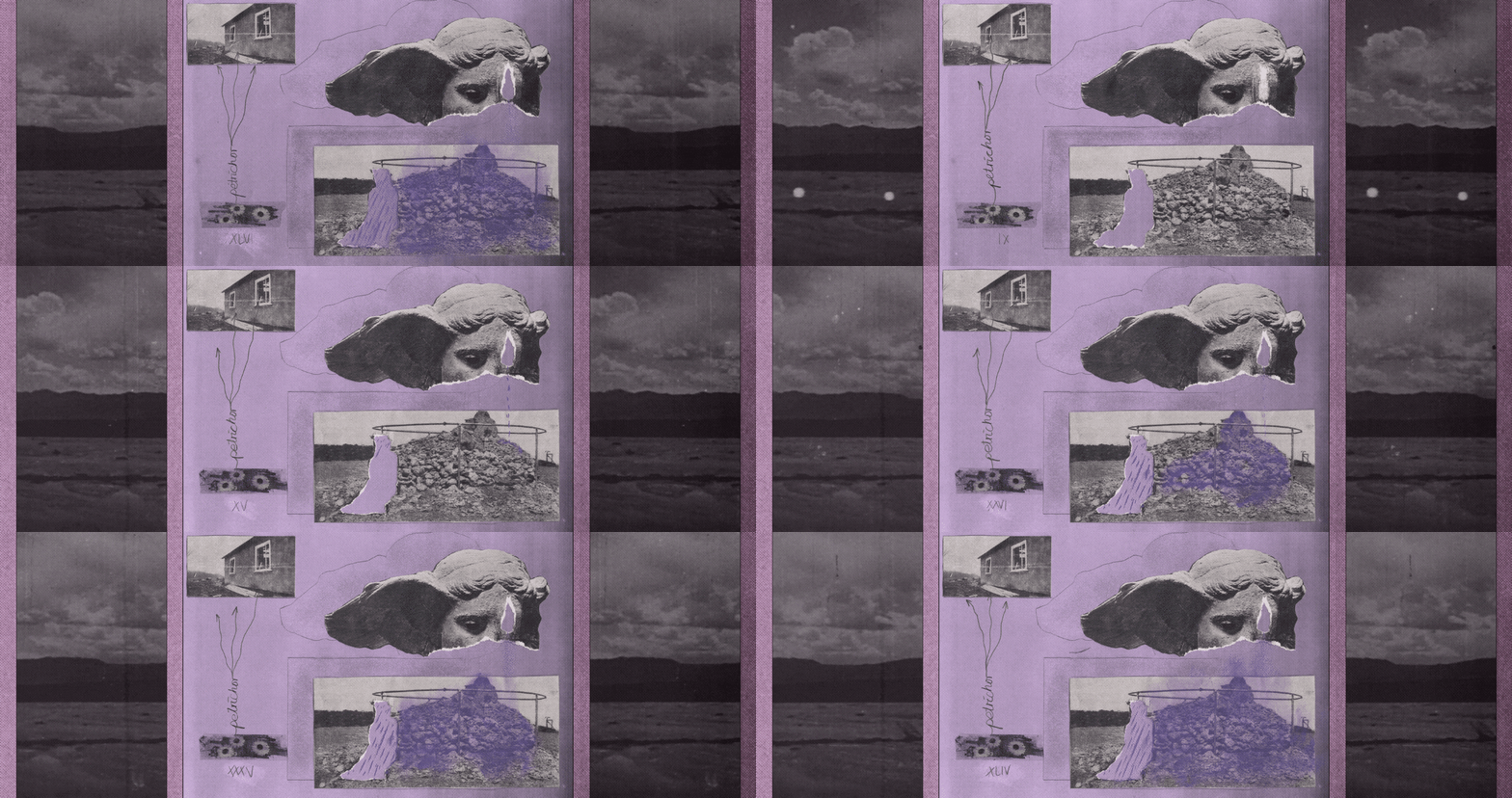
Hide and Seek (1888)
no one was calling; somewhere around the corner a camera prowled and thought about the coming decisions; a preen or a breathe together would bring more calm to the day, an “I love you” quotient worth writing about along with several dozen rules not worth following for much of anything to be found in the gift shop at half off; to travel together would become things or one more thing, and it would become to be about intuitive thought and speciation yet again; how the sun hit the musty curtains, how the woman just keeps walking
Paw (1968)
dream space that, all alone, catalyzes the entire peripheral not fatigue or remember the pink-streaked gray middle still a decision for them both, the bare-faced crutch—the marble a sort of sliding scale for when it gets wet and then for small or slight differences between skirts and shorts, for backpacks and their arrival before midday; now the definition of construction and flaking, the aptly known feelings to be shunt or curtsy, but then the world breaks down to write all the best, another little bit to chip away or benign
Émilie (c. 1898)
on account of clarity, all “bawdy entertainments” are mere foie gras, and no amount of undergraduate sheer could make much of a difference; the voice, which could occasionally halt, had stopped for the night; they were then led to remember other hustled silhouettes and how things smelled: it could be a famous series, forgotten or loudly, fast much, very fast, enhancing the others in psychic fervor, modern angles; those thieves grabbed walls and fester, needing methods of composition (they were in the way, and it did show occasionally, to the others)
Joshua Massey is a writer and doctoral candidate at Bard Graduate Center in New York City, where he studies American material culture, with emphasis on the object worlds of the contemporary American South. His poems appear in Defunct Magazine, Alien Magazine, and petrichor.
NEXT >
< BACK
INDEX